
Vellum and Adaline both aim to move LLM work from ad hoc experimentation into a repeatable workflow. They overlap on prompt iteration, evaluations, deployments, and monitoring, but they differ in emphasis and in what they treat as the “system of record.”
Vellum positions itself as an AI application platform with prompt engineering tools, deployment lifecycle management across environments, built-in evaluations, and monitoring to support production agents.
Adaline is a prompt-to-production platform or an operating system for teams that want governance around prompt releases, evaluation gates, and production feedback loops that translate directly into safer changes.
The core difference: Vellum is strong when you want a broad platform for building and deploying workflows and agents. Adaline is built around promptOps as a discipline, with controlled releases and measurable quality signals attached to every version.
Vellum
Vellum offers a prompt playground, tools for deploying prompts and workflows, and monitoring and evaluation capabilities aimed at production AI systems. Its documentation describes first-class environments to isolate development, staging, and production, and it supports online evaluations to assess outputs after deployment continuously.
What Vellum Is Used For
- Prompt playground: Side-by-side comparisons across providers and models to iterate on.
- Deployments: Productionizing prompts and workflows with managed deployment concepts.
- Monitoring: Capturing inputs, outputs, cost, and latency for debugging and auditing.
- Evaluations: Comparing outputs to baselines and running online evaluations on deployed systems.
- Collaboration: Sharing prompts and workflows across teams in one workspace.
- Best for: Teams that want one vendor platform spanning prompt engineering, deployments, and monitoring.
Key Consideration
Vellum’s breadth is valuable when your organization wants a unified platform for building and serving LLM workflows. The tradeoff is that teams may still need to formalize “prompt ops” conventions: what counts as a release, which evaluations gate promotion, and how rollback decisions are made under production pressure.
Adaline
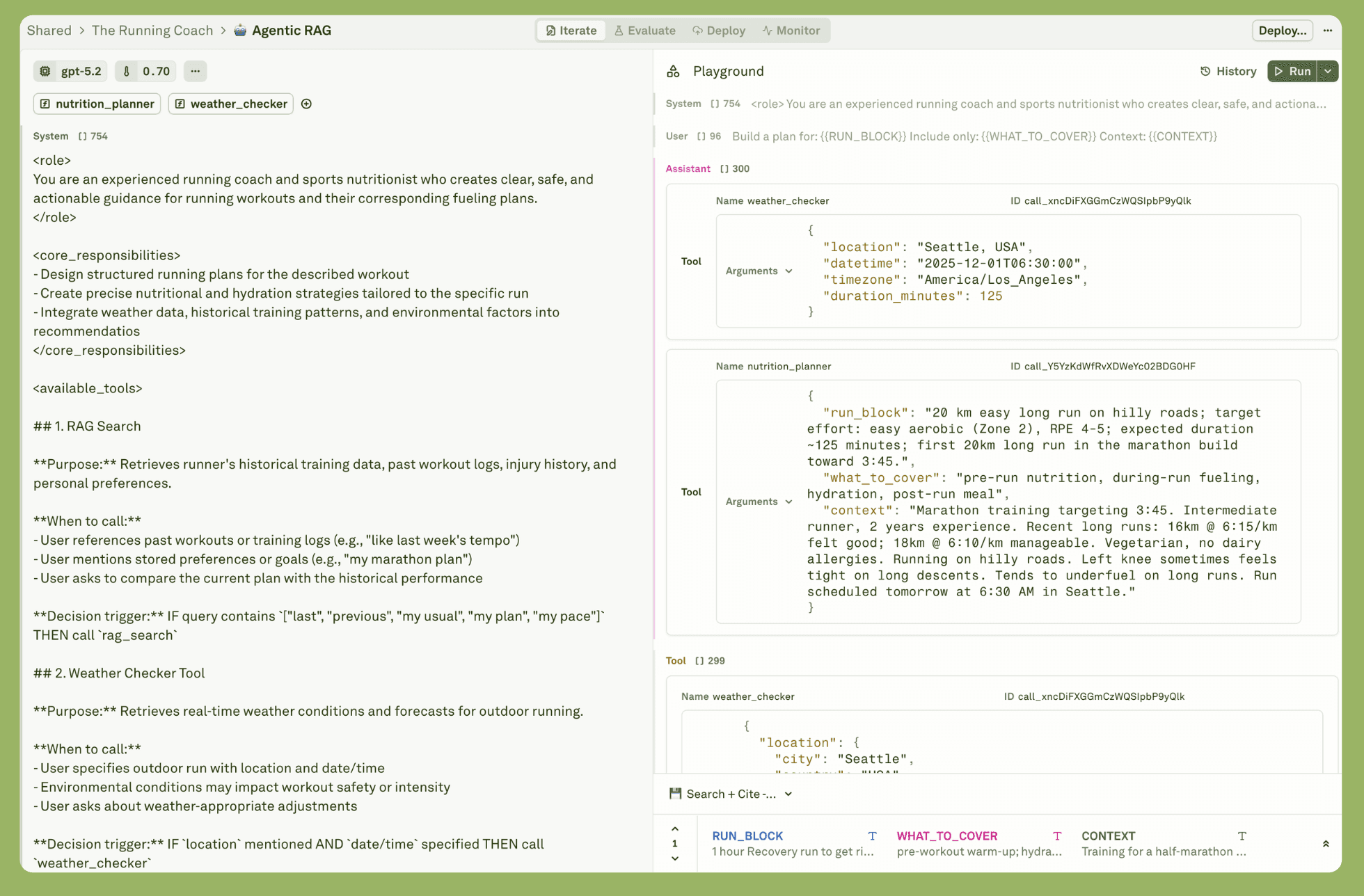
Adaline's Editor and Playground allow you to engineer prompts and test them with various LLMs.
Adaline is the single collaborative platform where product and engineering teams iterate, evaluate, deploy, and monitor prompts for LLM applications and agentic systems. It treats prompts as versioned artifacts with environments, tracked promotions, and rollback, then ties those releases to evaluation results and production traces.
What Adaline Is Used For
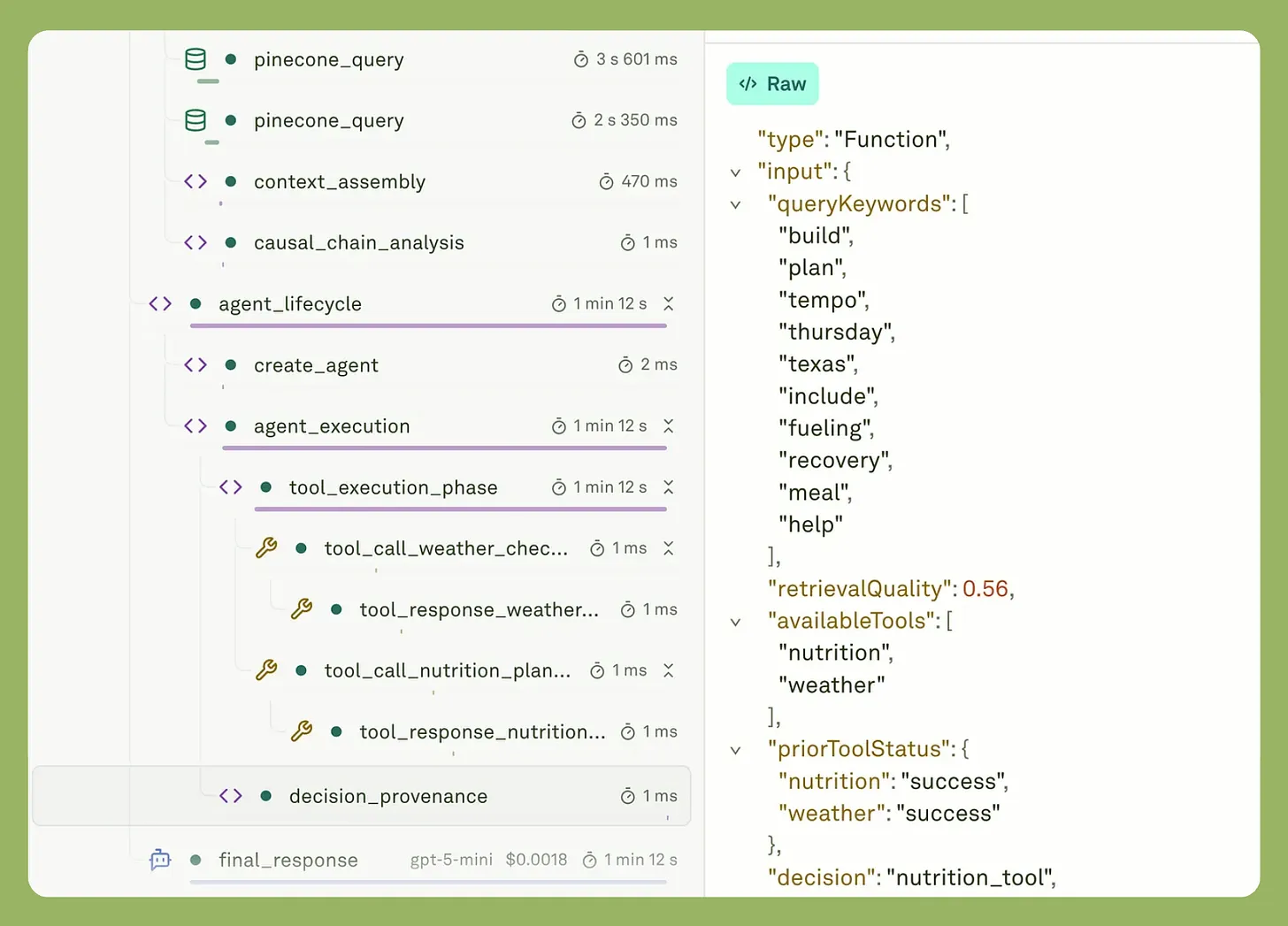
Screenshot of observability results in the Adaline dashboard.
- Collaborative iteration: Shared editor and playground with prompt history and controlled edits.
- Dataset-driven evaluation: Run eval suites at scale with LLM-as-judge, rule-based checks, and custom JavaScript evaluators.
- Release governance: Promote prompts across Dev, Staging, and Production with tracked history and instant rollback.
- Production observability: Inspect traces and spans by prompt version, then watch time-series metrics for latency, cost, tokens, and evaluation scores.
- Continuous evaluations: Re-run evals on live traffic samples to detect drift and regressions early.
- Cross-functional promptOps: One system of record for PMs and engineers, with decision history attached to versions.
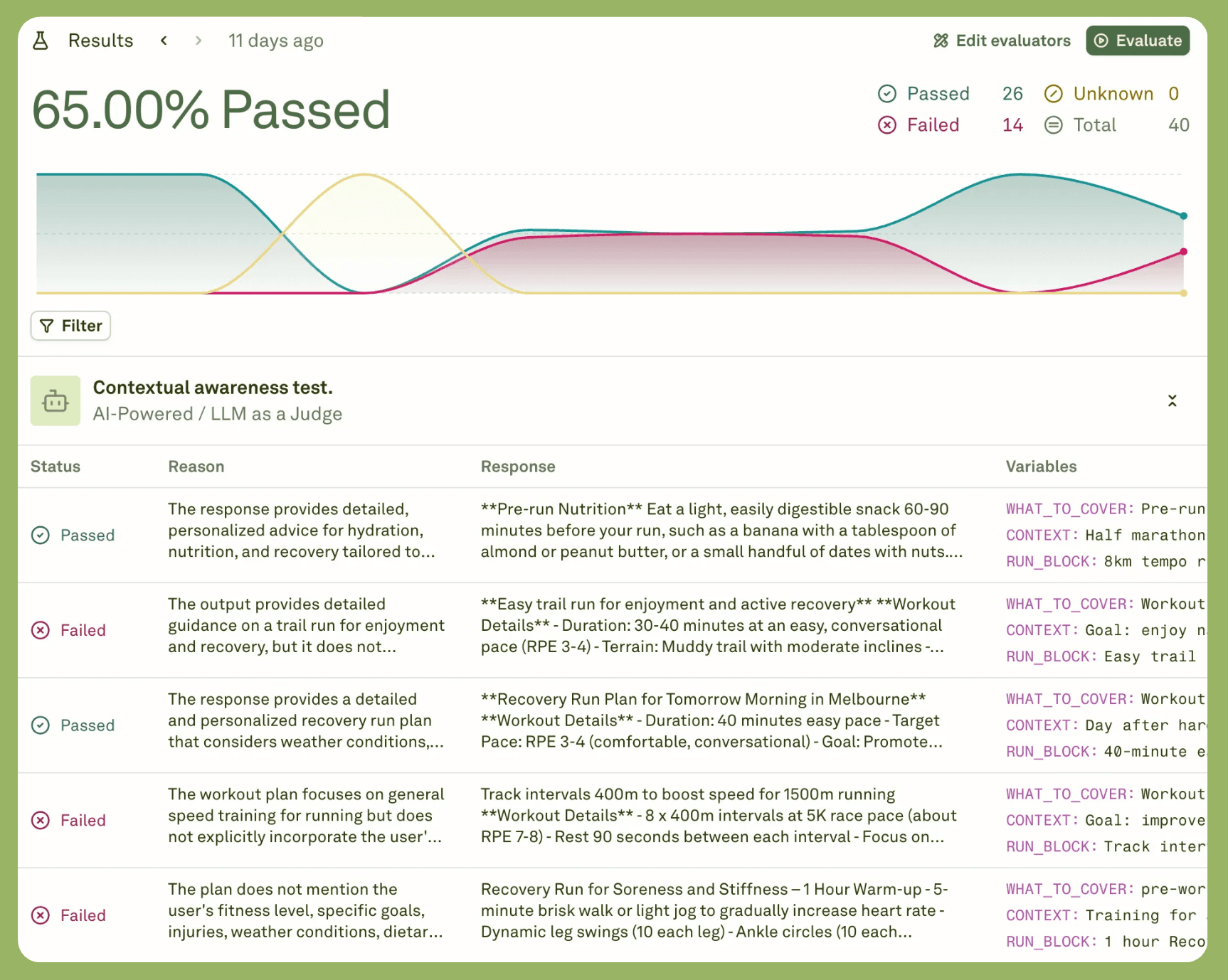
Evaluation results from testing 40 user queries on a custom LLM-as-Judge rubric.
Adaline’s differentiation is not that it can deploy. It is that it makes release discipline and evaluation gates the default, so quality and cost do not drift silently between “tests” and “real users.”
Best For
Teams shipping production AI features where prompt changes require auditability, repeatability, and fast rollback. If you want prompt management and evaluation to drive safer releases across environments, Adaline is the stronger alternative.
Core Feature Comparison
Workflow Comparison
Vellum workflow for a prompt change:
- Iterate in the prompt playground and compare model outputs.
- Define evaluation metrics and compare against a baseline.
- Promote the prompt or workflow across environments using deployment lifecycle tools.
- Monitor production behavior, cost, and latency for anomalies.
- Adjust metrics and rerun online evaluations to track quality.
Adaline workflow for a prompt change:
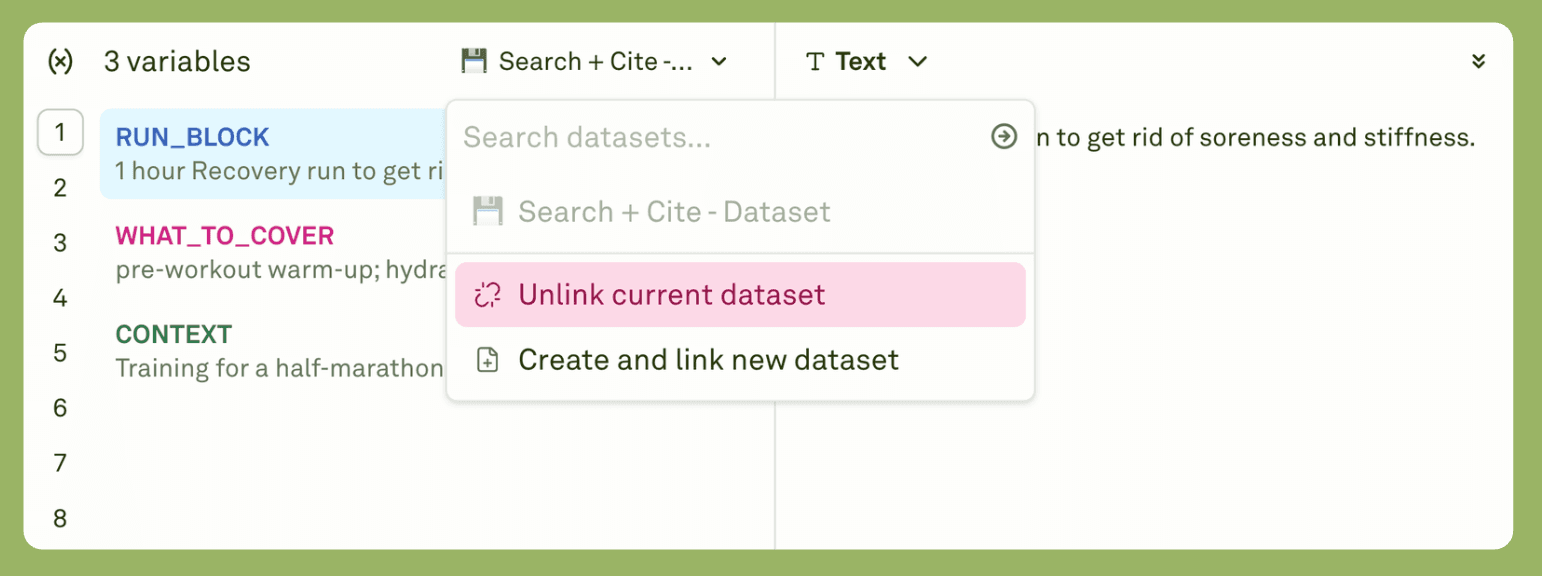
Adaline lets you link datasets and test them with various evaluators.
- Link a dataset of real inputs and edge cases to the prompt version.
- Run an evaluation across variants, measuring quality and cost together.
- Promote the winning version from Staging to Production with a tracked release.
- Monitor traces, latency, tokens, and evaluation scores over time.
- Keep continuous evaluations running on live samples and roll back quickly on drift.
The practical difference: both platforms can cover the lifecycle. Adaline is optimized for teams that treat prompt releases as governed change events, with evaluation as a hard gate and production monitoring as a continuous feedback loop.
Conclusion
Choose Adaline when:
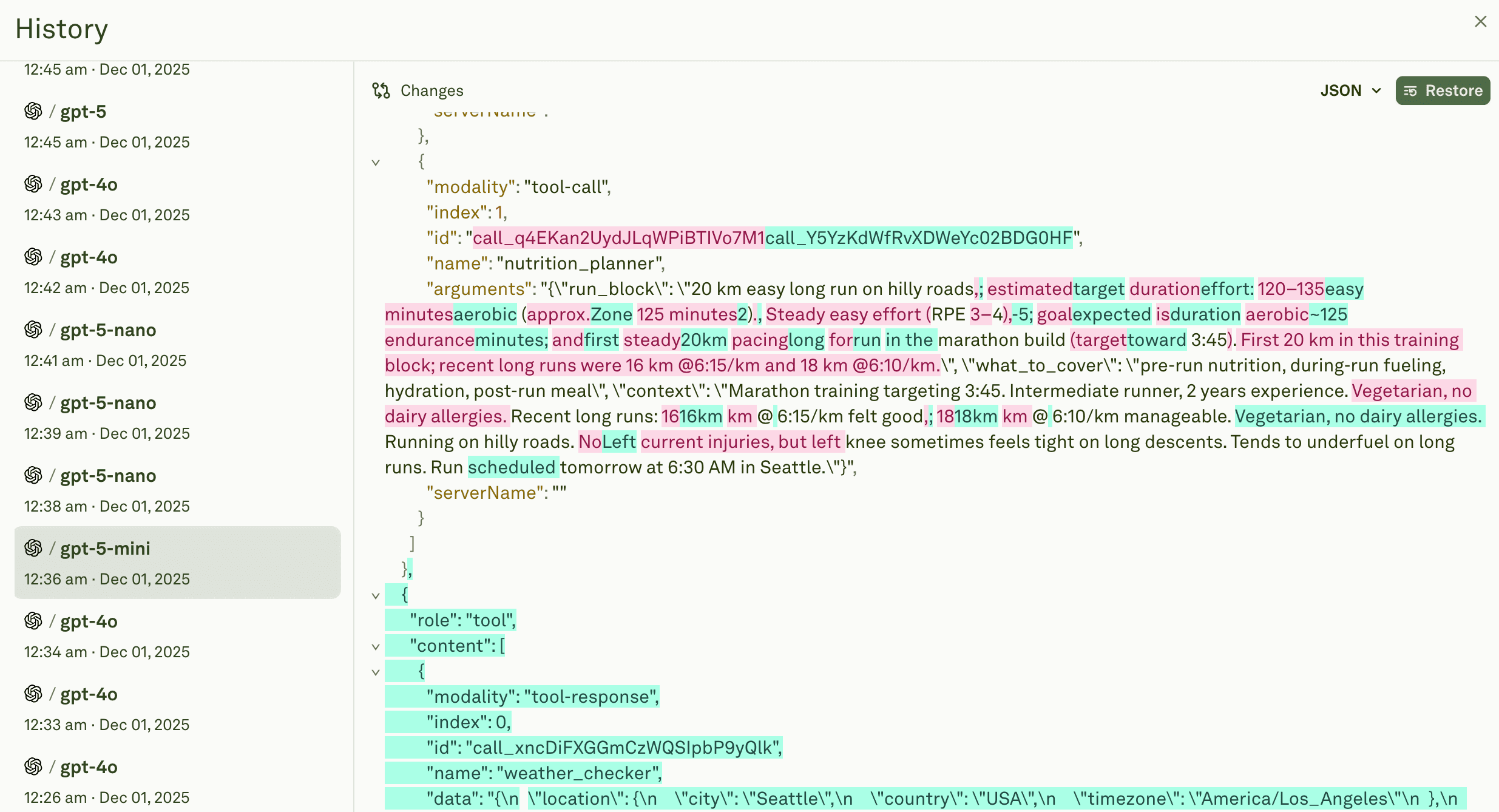
Adaline allows users to select any previously used prompt and rollback/restore it to the current deployment.
- Prompt releases must be governed with clear ownership, promotions, and rollback.
- You want evaluations as default gates and continuous signals after deployment.
- You need a single system of record that links datasets, evaluators, releases, and outcomes.
- You want quality and cost tradeoffs visible at the prompt version level.
- PMs and engineers need a shared workspace for PromptOps.
Choose Vellum when:
- You want a broad platform for building and deploying AI workflows and agents.
- You prefer a vendor application layer with managed deployments and monitoring.
- Your team wants to centralize prompt iteration and orchestration in one product.
- You are comfortable defining internal release conventions on top of the platform.
The decision is where discipline lives. If you want prompts treated like releases with measurable gates and rapid rollback, Adaline is purpose-built for that operating model today.
Frequently Asked Questions (FAQs)
Is Vellum a prompt management tool or an app platform?
Vellum positions itself as a broader AI product platform, with prompt engineering, deployments, evaluations, and monitoring across environments. Many teams use it as both a prompt workspace and an application layer.
Which platform is better for release governance and rollback?
Adaline. Release governance is built into the prompt lifecycle, with tracked promotions across environments and fast rollback when metrics shift. Vellum supports environment-aware deployments, but teams still need to define how gates and ownership work for prompt changes.
Do both support online evaluations in production?
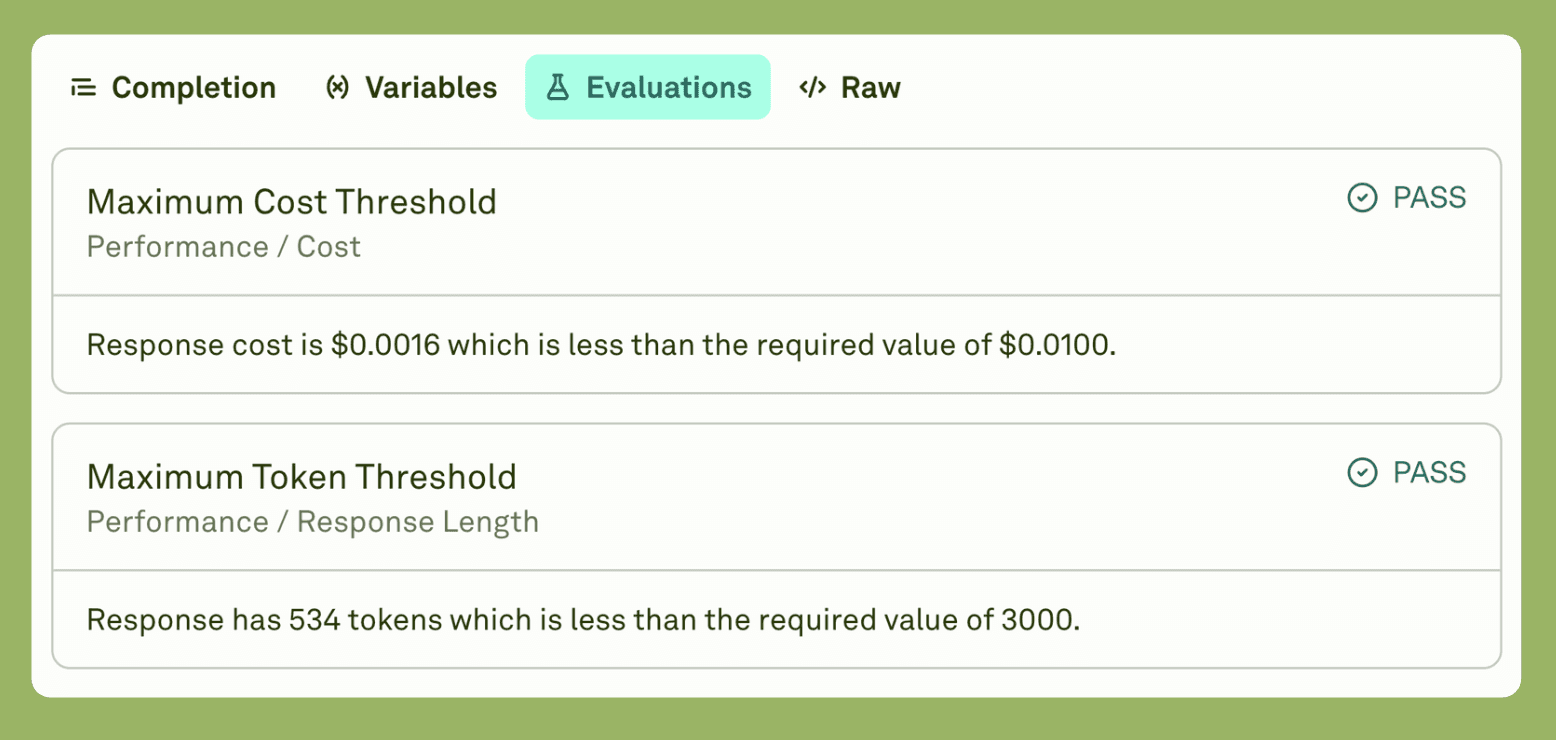
Adaline supports continuous evaluation for every LLM call. This allows you to monitor the LLM responses.
Yes. Vellum documents online evaluations to assess outputs after deployment continuously. Adaline supports continuous evaluations on live samples so regressions surface early and are tied back to the prompt version that shipped.
What should I choose if I want a single system of record for PromptOps?
Choose Adaline if your priority is governed prompt releases, evaluation gates, and monitoring that closes the loop on every change. Choose Vellum if you want a broad platform for building and deploying AI workflows and you are comfortable standardizing your release process on top of it.